
Because it’s all about life
Explore the Animal Nutrition story and find out why and how we’re sciencing the global food challenge. Ultimately, it’s all about our planet, the animals, and eight billion people – it’s about life itself. ... MORE

The greatest global challenge is to ensure food security. Eight billion human lives depend on it. However, it matters how we source animal protein.
That’s why it’s absolutely necessary to act with exceptional care: We need to increase food safety and security, while improving animal health and welfare and reducing the ecological footprint of animal farming. There is only one way to do it right: using science. Only well thought-through, evidence-based solutions can establish a truly sustainable and secure food supply.
Explore the Animal Nutrition story and find out why and how we’re sciencing the global food challenge. Ultimately, it’s all about our planet, the animals, and eight billion people – it’s about life itself. ... MORE
You get from us more than just our products: amino acids, functional feed additives, farm management solutions, and feed quality services. All combined into customized system solutions for your specific requirements. We holistically support you in mastering the interactions of animal nutrition, animal health and animal farming.
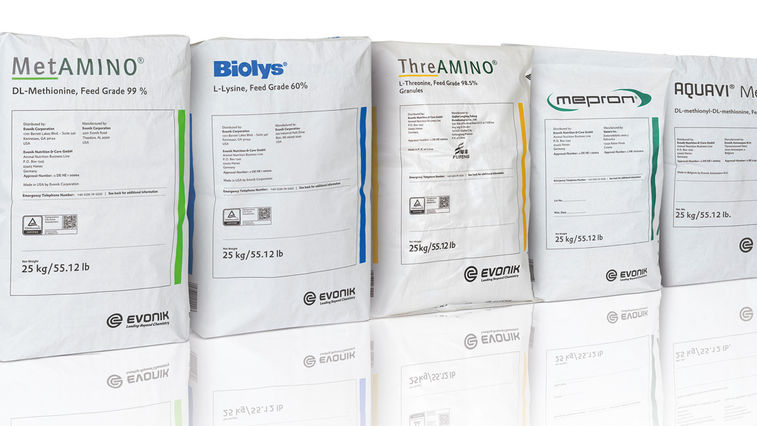
The building blocks of life: amino acids are the essence of a healthy, growth-sustaining diet in animal farming. ... MORE
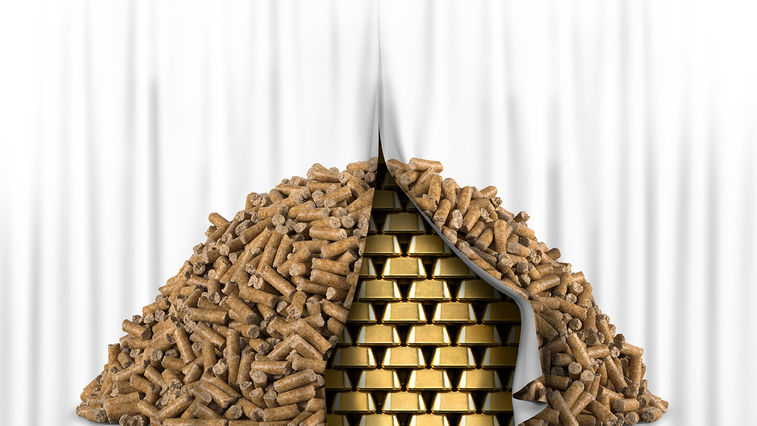
Nature's task force for animal health, well-being, and performance. ... MORE
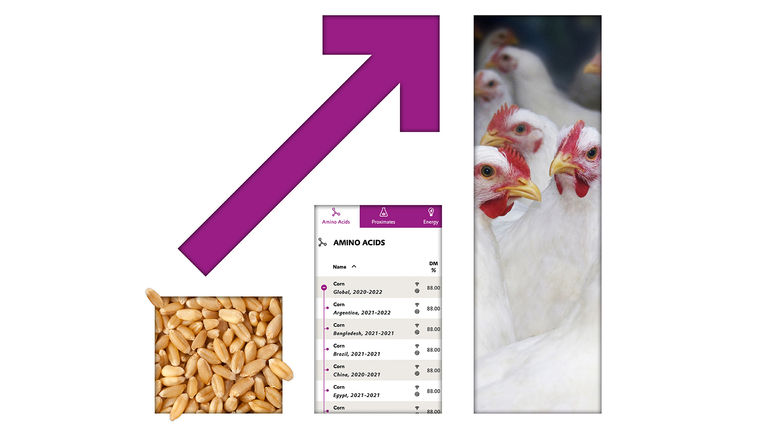
Tailored software tools and analytical & handling services for the the optimal diet. ... MORE
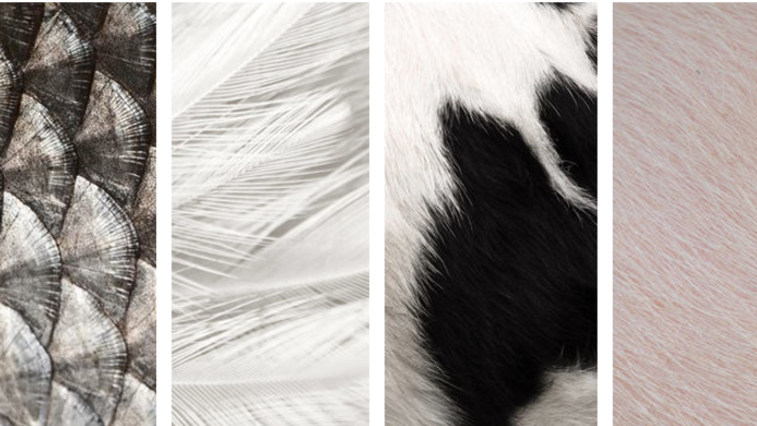
Our solutions for poultry, swine, ruminants and aquaculture ... MORE
With an eye on essential nutrition, sustainability, and digitization, you get from us science-based system solutions to better international livestock farming, not simply individual products.
Through decades of experience in animal nutrition, deep understanding of customers' requirements, scientific expertise, and global presence we provide you with knowledge-based system solutions for your sustainable and efficient production of meat, fish, eggs, and milk.
We stay in close contact with universities, research institutes and other members of the scientific community and share our knowledge in scientific papers and customer trainings. Join our customer portal and always stay up to date.

Access our digital tools, training videos, information and documentation on our products and concepts. It also allows you to place your orders conveniently, anywhere and at any time. ... MORE
We are aware of the challenges that lie ahead of us as humanity. We have a strong desire to improve current practices in the production of animal protein across the globe. We know what we are doing, because our knowledge is based on science and many decades of experience.
Better feed for better food: the science of animal nutrition is one of the keys to efficient and sustainable livestock farming. Animal nutrition has a major influence on the environmental impact of livestock farming. The good news is that we have never been better placed to understand the science of food production and its impact on the environment. We are continuing to get a more and more detailed understanding of livestock’s nutritional needs.
This has allowed us to develop products and solutions that improve the health and performance of farm animals. Targeted feed supplements promote sustainable food production by making land use more efficient, reducing the need for deforestation and monoculture, maintaining biodiversity, and reducing fertilizer and freshwater use. Our precision farming solutions not only enhance growth and animal health but also reduce reliance on natural resources.
Now we take it to the next level: With inoSust® we make sustainability tangible and in The Sciencing Podcast we discuss with key opinion leaders on the task of feeding an ever-growing world population while keeping the environment healthy.
At Evonik Animal Nutrition we know who we are, how we are different from other companies, and why we work hard to science the global food challenge. Because it’s all about life.
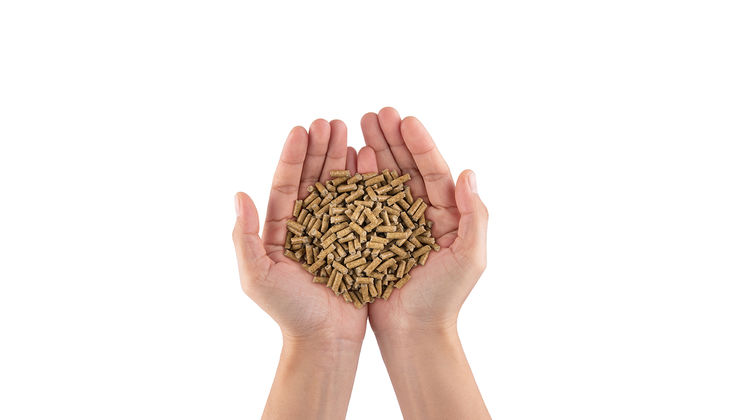
Our comprehensive service offering gives science-based answers to your sustainability topics and enables you to improve your impact. ... MORE

Hear from key opinion leaders about their insight and uptakes on sustainability in animal nutrition and farming. The task of feeding an ever-growing world population while keeping the environment healthy is in everyone’s agenda, and it is NOW or NEVER. ... MORE
Find the right contact person in Animal Nutriton and get in touch with our experts. ... MORE